Source Air Operated Tire Bead Seater for Garage, Workshop, and Fleet
Find and compare 30 air operated tire bead seater models from Hebei, China. Evaluate options with capacities ranging from 2 to 10 gallons, pressures up to 8 MPa, and steel construction for efficient car tire repair tasks.
Key considerations
Products List






Comprehensive Sourcing Guide
Air Operated Tire Bead Seater Sourcing Guide
Sourcing an air operated tire bead seater requires a clear understanding of the mechanical principles that drive tire mounting efficiency in professional and semi-professional repair environments. These tools utilize compressed air to generate a rapid, high-volume burst of pressure against the tire bead, forcing it to snap into place on the wheel rim. This process eliminates the need for excessive physical force or lubricants, significantly reducing labor time and minimizing the risk of rim damage or tire sidewall injury. For procurement teams, selecting the right unit involves balancing portability, air consumption, and pressure output to match the specific volume and type of tire repair operations.
The market for these devices is characterized by a wide variance in design, capacity, and build quality, often originating from manufacturing hubs in Hebei, China. Buyers must navigate a landscape where product names, model numbers, and technical specifications can vary significantly between suppliers. While the core function remains consistent, the physical dimensions, tank capacities, and maximum working pressures differ across listings. A disciplined approach to verification is essential to ensure that the purchased equipment meets the operational demands of the workshop, particularly regarding safety standards and compatibility with existing air supply infrastructure.
Product Scope and Observed Listing Signals
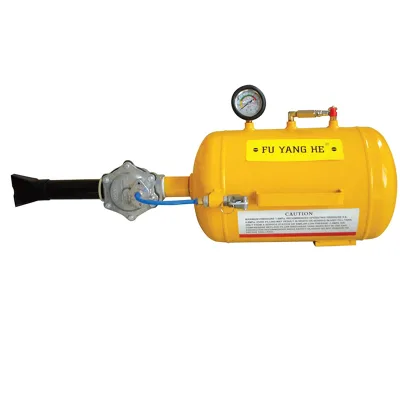
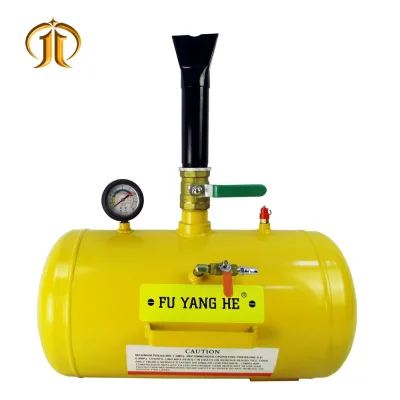
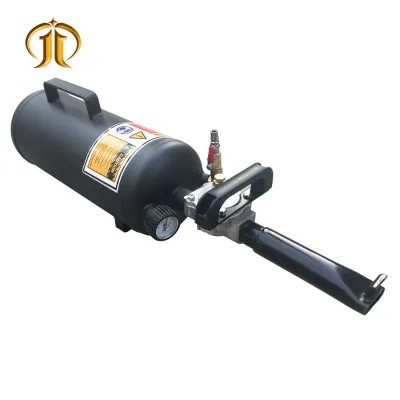
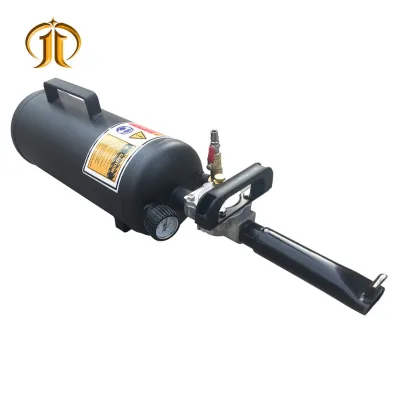
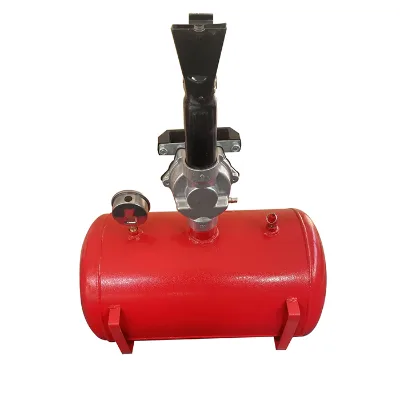
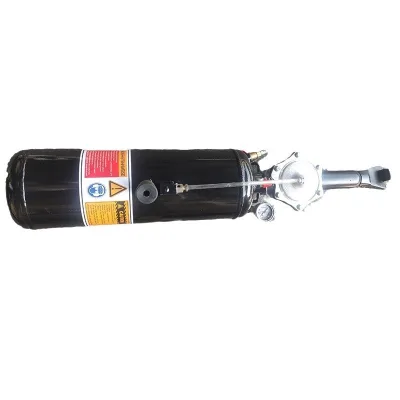
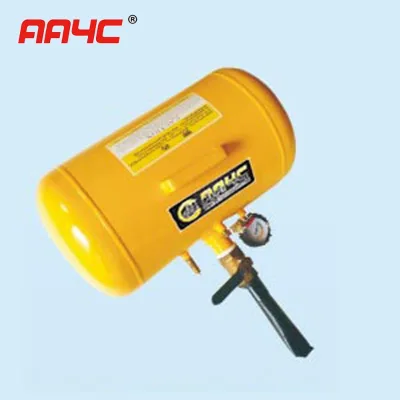
The observed product range includes various configurations of tire bead sealers, ranging from compact 2-gallon units to larger 10-gallon capacity tanks. Listings indicate model numbers such as JC8001A3, JC-8001B1, and JC8001B2, suggesting a family of products with distinct performance characteristics, such as "fast" operation variants. The physical footprint of these units varies considerably, with packaging dimensions observed from approximately 465x400x340mm to larger configurations like 590x415x350mm. This variance implies that buyers must carefully assess the available workspace in their facility, as the tank length and overall dimensions directly impact storage and mobility within the repair bay.
Material composition and color options are also notable signals in the current market. Most observed units are constructed from steel, providing durability for heavy-duty use, and are available in standard industrial colors like black and yellow, or customizable options. The inclusion of specific components, such as 1.5-inch ball valves, indicates the interface points for air connection and pressure release. Buyers should note that while some listings specify a single item per carton with PVC bag and bubble protection, others mention foam packaging, which may affect the condition of the product upon arrival and the overall shipping volume calculations for logistics planning.
Technical Specifications to Verify
Verification of pressure ratings is the most critical technical step in the procurement process. Observed data presents conflicting or varied specifications, with some units listing a maximum pressure of 8 MPa or 8 bar, while others specify a range of 101-150 PSI or a maximum input pressure of 1.0 MPa (145 PSI). This discrepancy highlights the necessity of clarifying whether the stated pressure refers to the tank's working pressure, the burst pressure, or the input air requirement. Procurement teams must confirm the actual output pressure delivered to the tire bead to ensure it is sufficient for the specific tire sizes being serviced, particularly for larger truck or agricultural tires that require higher seating forces.
Tank capacity and physical dimensions must be cross-referenced with the supplier’s technical datasheets rather than relying solely on listing titles. Capacities observed range from 2 gallons to 10 gallons, which directly influences the volume of air available for a single bead seating operation. A larger tank may allow for multiple bead seats without requiring the compressor to cycle, but it also increases the weight and footprint of the unit. Buyers should verify the air tank length, which has been observed at 43.5 cm, 56 cm, and other variations, to ensure compatibility with the vehicle lift or floor space available. Additionally, the weight of the unit, with net weights ranging from 12.8 kg to 16.2 kg, affects portability and should be considered if the tool needs to be moved frequently between workstations.
Compliance and Safety Documentation
Safety certification is a non-negotiable aspect of sourcing pressure vessel equipment. The CE mark is explicitly mentioned in several listings, indicating that the manufacturer claims compliance with European health, safety, and environmental protection standards. For buyers operating in regions with similar regulatory frameworks, verifying the validity of this certification is essential. This involves checking for a valid Declaration of Conformity and ensuring that the certification covers the specific model number and manufacturing batch. Without proper certification, the equipment may pose significant liability risks, particularly in the event of a tank failure or accidental injury during operation.
Documentation regarding the pressure vessel’s construction and testing should be requested prior to purchase. Buyers should ask for proof that the air tank has undergone hydrostatic testing and that the welds meet industry standards for integrity. The presence of a ball valve, typically 1.5 inches in size, is a standard feature, but its quality and material composition should be verified to ensure it can withstand the repeated cycling of high-pressure air. Additionally, the warranty period, observed as 3 months in some listings, provides a baseline for post-purchase support, but buyers should clarify what components are covered and whether extended warranty options are available for critical parts like the tank and valve assembly.
Cost Drivers and Commercial Terms
The price range for air operated tire bead sealers is broad, reflecting differences in capacity, build quality, and included accessories. Observed prices span from approximately $21.4 to $5000, a variance that suggests the market includes both basic, small-capacity units and high-end, industrial-grade systems. Buyers must correlate price with technical specifications to avoid under-specifying their needs. A lower-priced unit with a smaller tank may require more frequent compressor cycling, increasing energy costs and wear on the air system, while a higher-priced unit with a larger tank and robust steel construction may offer better long-term value through durability and efficiency.
Minimum Order Quantities (MOQ) and supply ability are key commercial factors that influence procurement strategy. MOQs have been observed ranging from 1 to 300 pieces, allowing for flexibility in purchasing small quantities for immediate needs or larger volumes for inventory stocking. Suppliers often cite a supply ability of 10,000 pieces per month, indicating a robust manufacturing capacity. However, buyers should confirm lead times for custom orders or specific model variations, as these can impact project timelines. Packaging details, such as the inclusion of foam or bubble wrap, also affect the total landed cost, as they influence shipping volume and potential damage rates during transit.
Supplier Qualification and Quality Control
Supplier verification should begin with an assessment of their manufacturing capabilities and quality control processes. Given that the place of origin is frequently listed as Hebei, China, buyers should request evidence of the supplier’s production facilities, including welding equipment and pressure testing chambers. A reputable supplier will have a documented quality management system that ensures consistency in tank thickness, valve installation, and surface finishing. Buyers should inquire about the thickness of the tank walls, with observed specifications around 3.25 mm, to ensure the vessel can safely handle the operating pressures without risk of deformation or failure.
Port of dispatch and logistics reliability are also important considerations for international procurement. Tianjin port is a common dispatch point for these products, offering established shipping routes to global destinations. Buyers should verify the supplier’s experience with international shipping and their ability to provide accurate documentation, including commercial invoices, packing lists, and certificates of origin. Establishing a clear communication channel for post-sale support is crucial, especially given the short warranty periods observed. Buyers should confirm the availability of spare parts, such as replacement valves or seals, to minimize downtime in the event of maintenance needs.
Long-Term Procurement Checks
Establishing a framework for ongoing performance evaluation is essential for maintaining operational efficiency. Buyers should track the frequency of bead seating failures and the time required for each operation to assess whether the purchased units meet their productivity targets. Monitoring the condition of the air tank and valves over time will help identify any quality issues, such as corrosion or valve leakage, that may indicate a need for supplier intervention or product replacement. Regular maintenance checks, including inspection of the ball valve and pressure relief mechanisms, should be integrated into the workshop’s standard operating procedures to ensure safe and reliable operation.
Reviewing supplier performance and market trends can inform future procurement decisions. Buyers should maintain a record of supplier responsiveness, delivery accuracy, and product consistency to build a reliable supply chain. As technology evolves, new models with improved efficiency or safety features may become available, so staying informed about industry developments is important. Additionally, buyers should periodically reassess their capacity requirements, as changes in vehicle types or repair volume may necessitate upgrades to larger or more powerful bead seating equipment. By maintaining a disciplined approach to verification and performance monitoring, procurement teams can ensure that their investment in air operated tire bead sealers delivers consistent value and safety.
FAQs
What is the maximum pressure for this tire bead seater?
The maximum pressure reaches 8 MPa or 101-150 PSI depending on the specific model configuration. This tool is designed to repair car tires effectively using high-pressure air to seat the bead securely against the rim.
Which certification does the air operated tire bead seater hold?
The product holds CE certification as a customized standard for safety and compliance. This ensures the equipment meets essential health and safety requirements for use in various industrial and automotive repair environments globally.
How long is the lead time for bulk orders of this tool?
The supply ability allows for 10,000 pieces per month, indicating a robust production capacity for large orders. Buyers can expect consistent availability without significant delays when sourcing this specific tire bead seater model in volume.
Can I find this tire bead seater with a 10-gallon capacity?
Yes, specific models are available with a 10-gallon capacity for higher volume air storage. This larger tank size supports extended operation times during heavy-duty tire repair tasks without frequent recharging of the air supply system.
What is the warranty period for the FUYANGHE brand seater?
The product comes with a 3-month warranty covering manufacturing defects and functional failures. This short-term guarantee provides initial protection for buyers while ensuring the steel construction and ball valve components meet quality standards.
Where is the port of dispatch for these tire bead seater tools?
The port of dispatch is Tianjin port in China, facilitating international shipping logistics. This location allows for efficient export handling and reliable delivery schedules for buyers sourcing these automotive repair tools from the Hebei region.